Share |
Donate Now using PayPal


For other ways to donate please visit our Donations Page


join our mailing list
* indicates required
Welcome


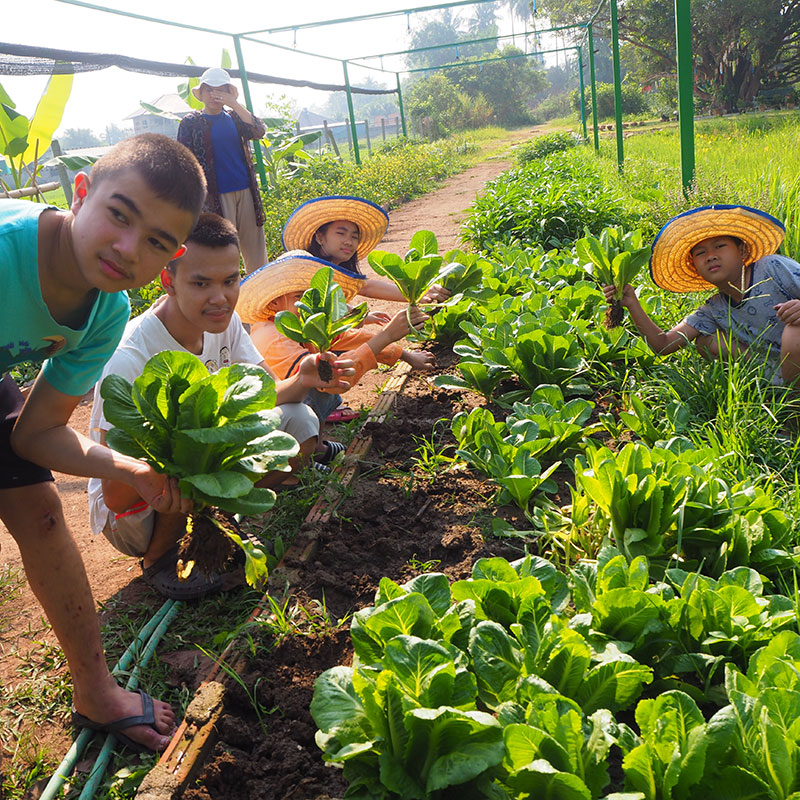
The Dulabhatorn Foundation helps poor children and young people become educated responsible citizens by helping to assure access to educational facilities through provision of what they need to study: tuition, books, school uniforms shoes, housing, and transport. We have a broad view of 'education.' It can mean school-based study, non-formal education, vocational training, or experience-sharing among teachers, parents or caregivers. We also support university or teacher-training for poor but promising young people, especially if they intend to teach in remote or deprived areas. Because of our location, we often work with ethno-linguistic minority populations, the so-called 'hill-tribes' of northern Thailand. 

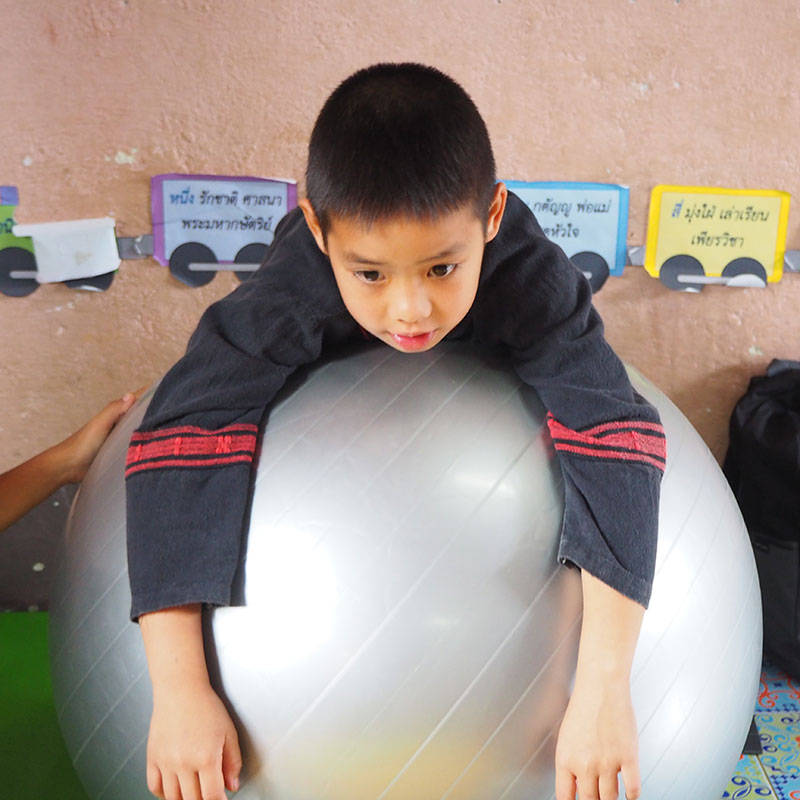
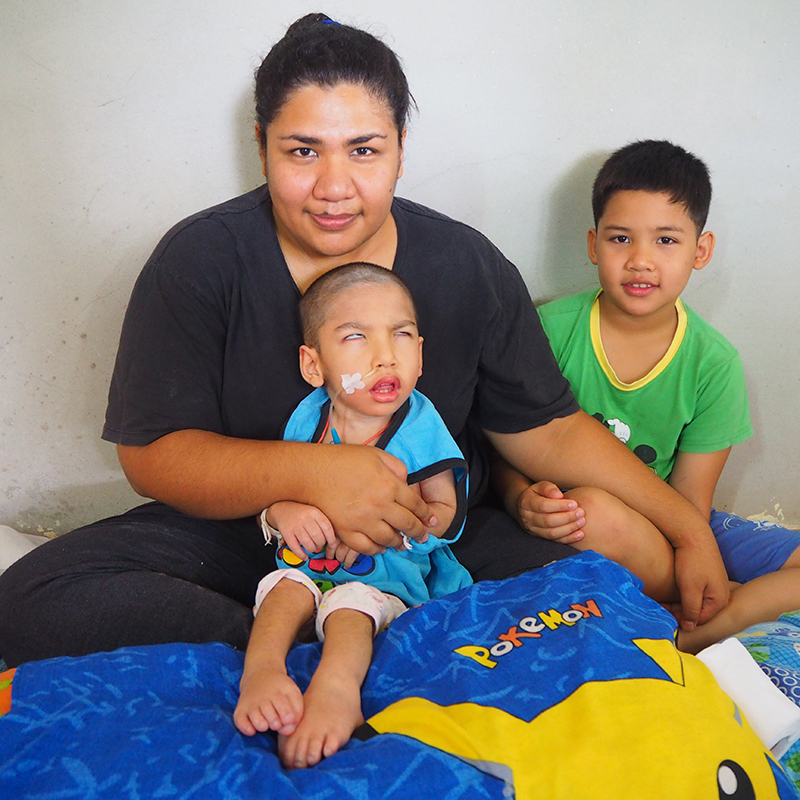
As a second area of focus, the Foundation has a special interest in the development of individuals with intellectual deficits and learning disorders. We provide professional consultation, transport to specialized schools, subsidize the purchase of school necessities, and support forums for training, experience-sharing and mutual support of parents and caretakers.

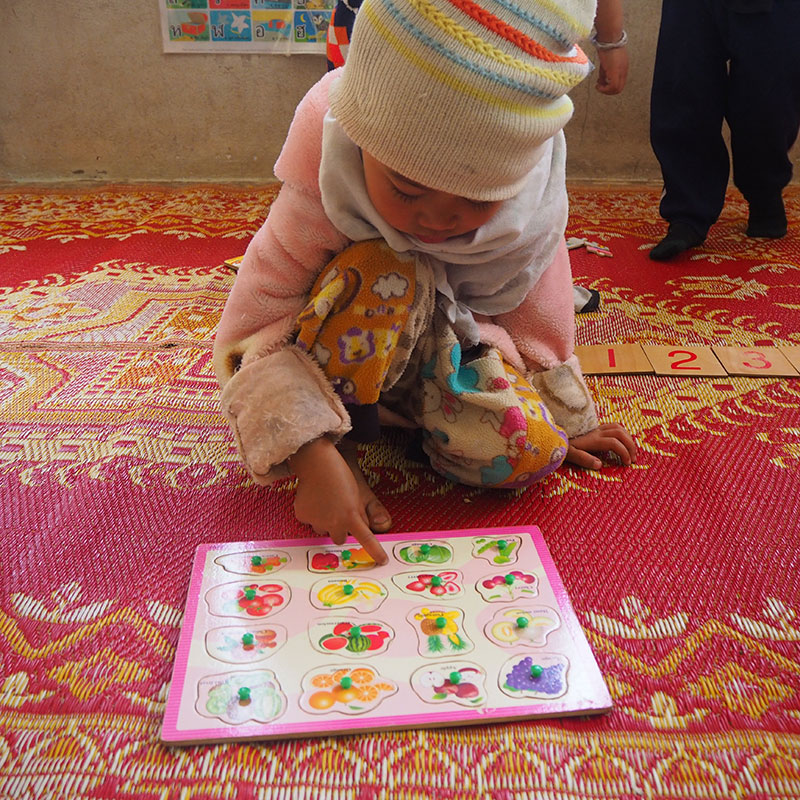
Thirdly, we are interested in the improvement of pre-school education, particularly in remote villages and settlements through the promotion of innovative approaches such as Montessori educational techniques.


We identify and support needy children and young people through partnerships with local government, NGOs, schools, institutes, civic associations, and other foundations.

All donated funds go to the support of children and youth; overhead costs of The Dulabhatorn Foundation are fully met from a private source.

We are based in Chiang Mai, and work in northern Thailand.

DBF follows several strategies in departing from the conventional ‘patchy & parachute’ model of development constrained by institutional bureaucracy and administrative convenience.  This generates a more integrated and locally-driven approach to increasing peoples’ rights and community ownership of development.  The strategies include: 1) focus on children and communities that “fall through the cracks” [i.e. ineligible for normal assistance]; 2) promotion of local government-community relations and projects fostering increasing community confidence and self-reliance; 3) support of more holistic and natural approaches to development integrating education, health, self-development, etc.; and 4) exchange and mutual reinforcement among activities/projects and persons responsible and participating in order to improve cost effectiveness and cooperation, leading to locally sustainable efforts.  In this, DBF focuses on bringing together the local municipality and communities, which has proved to be successful and highly satisfying.  


Content on this page requires a newer version of Adobe Flash Player.

Get Adobe Flash player